History Months and Historical Truth
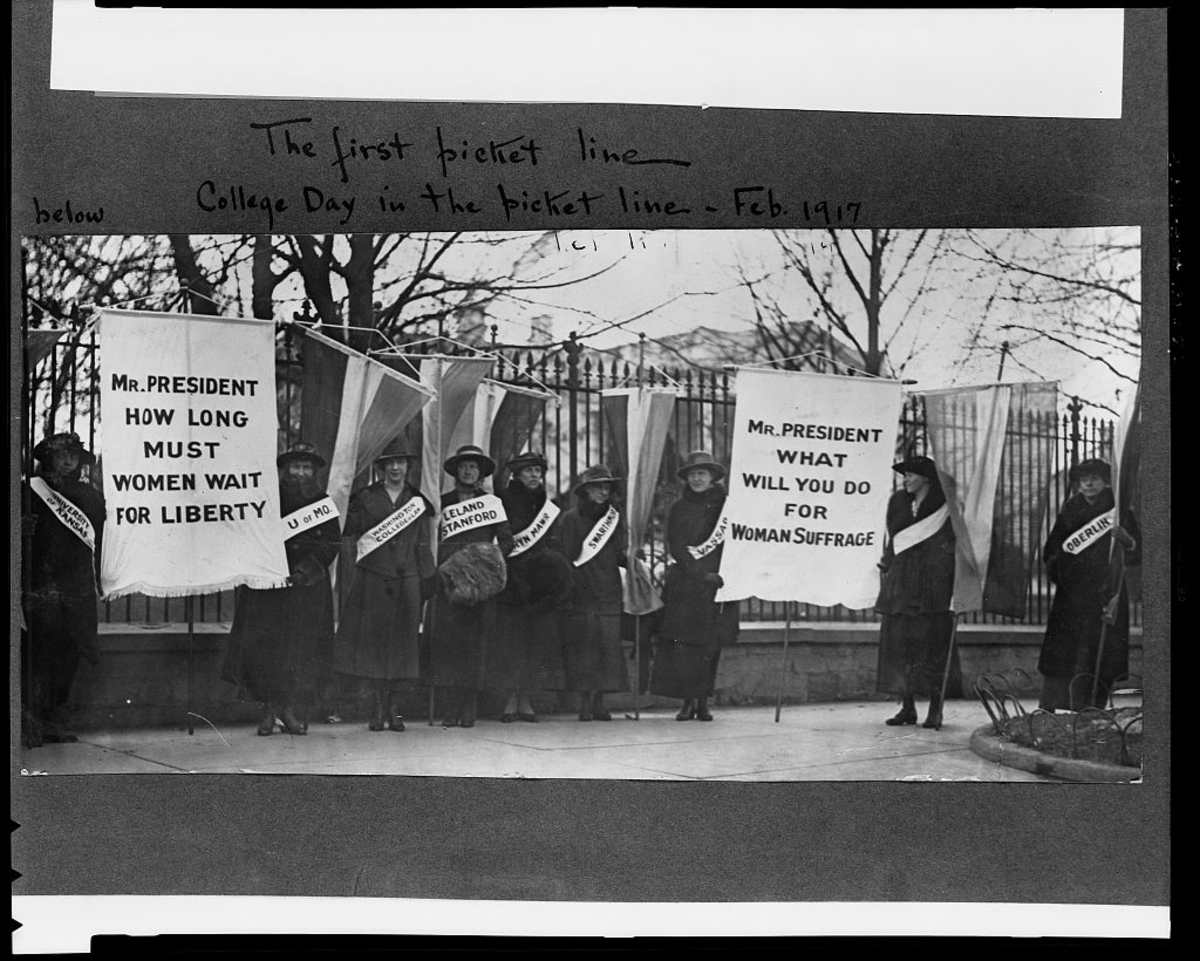
March is Women’s History Month, and I wish that wasn’t such a mixed bag. Everyone with a devotion to historical truth knows that Women’s History Month, like February’s Black History Month, isn’t just about celebrating the achievement of heroes but also requires remembering the ignorance and oppression those heroes had to fight their way through to succeed.
We say goodbye to Women’s History month in troubling times. Nightmarish undeclared wars rage, seemingly out of the control of the majority of people, as if murder is acceptable as long as it doesn’t affect us personally. Democratic nations, including our own, are leaning toward the ugly path of fascism, and with it the attempt to erase history, because who wants to remember what fascists did and how it ended? Those of us who read and write historical fiction understand the importance of remembering the past in its full complexity—evil as well as good, brutal as well as heroic. If we deny the full narrative of history, we help a self-serving minority shape our history to their advantage.
I recently saw a performance of the musical Suffs, which I highly recommend. Suffs, like Women of Glass and Steel, tells a story of the struggle for women’s right to vote in the United States, which began in 1848 with the Woman’s Rights Convention in Seneca Falls, New York, and climaxed over seventy years later with the certification of the 19th Amendment in 1920.
Suffs captures key aspects of the barrier-smashing work of women’s suffragists, including their persistence in punishing conditions; the sacrifices they made; the sweetness and frustrations of their relationships; and the shameful refusal of the white suffrage movement to include Black American women.
In the Christian tradition I grew up in, spring is the time to look forward to Easter—a season to reflect on cruelty and sacrifice but also to celebrate rebirth into community and determination.
Thank you for reading. Wishing you and your community renewal, strength, and joy this spring!
BOOK REVIEWS
Little Women by Louisa May Alcott
It’s hard to imagine that a book first published in 1868 could still have any relevance for today’s young adults. But new editions and film adaptations of Little Women, the story of the four March sisters—domestic queen, Meg; rebellious writer, Jo; gentle Beth; and artistic Amy—have entertained and inspired young women for over one hundred and fifty years. The surroundings depicted in Louisa May Alcott’s semi-autobiographical novel may seem quaint to modern eyes, but her themes of family, home, and both the love and the rivalry between sisters are timeless ones. This was one of my favorite books growing up, as well as one of my sister’s. We read it and re-read it until the covers fell off. Attesting to its continuing popularity, it has been adapted for the screen at least four times—the last in 2019--in the twentieth and twenty-first centuries. It never fails to appeal to new generations of girls. – Thanks to June Freeman Baswell, Guest Reviewer
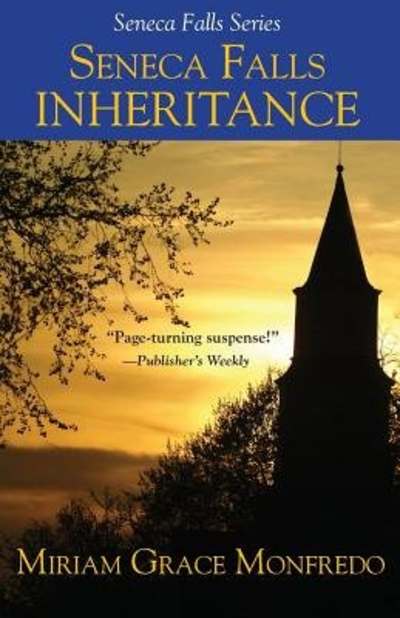
Seneca Falls Inheritance by Miriam Grace Monfredo (St. Martin’s Press, 1992)
Where does a flute-playing librarian help her constable beau untangle a murder mystery while advancing the cause of women’s rights? In 1848 Seneca Falls, of course, against the backdrop of the Women’s Rights Convention organized by her friend, Elizabeth Cady Stanton, in a pioneering moment in the women’s suffrage movement in the United States. In Seneca Falls Inheritance, Miriam Grace Monfredo wraps it all up in a cozy mystery—colorful characters, an engaging story rich in historical detail, vivid writing, and a memorable look at the town of Seneca Falls at that pivotal time in women’s history and the history of civil rights in the United States.
Seneca Falls Inheritance is the first of Monfredo’s Seneca Falls Series of acclaimed historical novels featuring unstoppable librarian Glynis Tryon. -- ML
You can order a copy at
Photo credit: The first picket line – College day in the picket line (February 1917). Image courtesy of Library of Congress